Source Refillable Lightweight Lipstick Tube for Cosmetics, Gifts, and Personal Care
Find and compare 30 refillable lightweight lipstick tube options for cosmetics, gifts, and personal care. Review specifications like 19mm diameter, plastic material, and screen printing finishes to select the right packaging solution for your brand.
Key considerations
Products List




Comprehensive Sourcing Guide
Refillable Lightweight Lipstick Tube Sourcing Guide
Sourcing refillable lightweight lipstick tubes requires a strategic approach that balances aesthetic customization with functional durability. The market offers a diverse range of options, from standard round and square shapes to specialized models designed for specific volume capacities. Buyers must navigate a landscape where product attributes like "Silver" finishes and "Screen Printing" capabilities coexist with broader customization services such as OEM and ODM. Understanding these variations is essential for aligning procurement with brand identity and operational needs.
The procurement process involves verifying that the selected tube meets both cosmetic application standards and logistical requirements. While some listings highlight specific dimensions like 19.0 x 19.0mm or 20 x 19mm, others focus on volume capacities ranging from 0.8g to 30-200ml for broader packaging solutions. A successful sourcing strategy depends on distinguishing between general cosmetic containers and specialized lipstick tubes, ensuring that the chosen supplier can deliver the precise form factor and finish required for the final product.
Product Scope and Observed Listing Signals
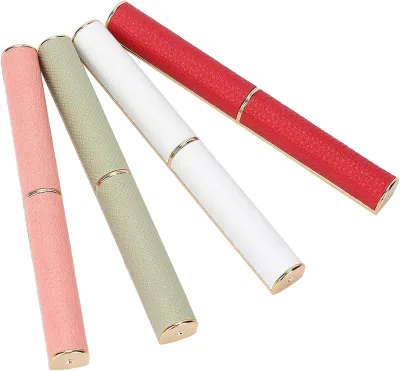
The observed product scope for refillable lipstick tubes encompasses a variety of shapes, including round and square configurations, with specific models like UW-XL-005 and EF-K11 representing distinct design iterations. Listings indicate that these products are primarily intended for cosmetics and gift applications, with some variations serving personal care products. The material composition is predominantly plastic, offering a lightweight profile that is critical for consumer convenience and shipping efficiency. Buyers should expect to find options that support mixed color schemes and specific surface treatments like silver finishes or screen printing.
Listing signals reveal a wide spectrum of commercial terms, with Minimum Order Quantities (MOQ) ranging significantly from 50 pieces to 30,000 pieces depending on the supplier and customization level. Some suppliers offer sample availability, including free samples of 1-2 pieces, while others specify a sample time of 5-7 days. The packaging standards vary from standard export cartons to shrink bags and palletized shipments, reflecting the diverse logistical needs of global buyers. These signals help buyers gauge the flexibility of a supplier and their readiness to support both small-scale testing and large-volume production runs.
Technical Specifications to Verify
Verifying technical specifications is paramount when selecting a refillable lipstick tube, as dimensions and structural integrity directly impact user experience. Buyers must confirm critical measurements such as diameter and height, noting observed specifications like a height of 90.6mm or 69.5mm, and diameters ranging from 12.1mm to 20mm. The thickness of the material, observed at 0.3mm in some listings, is a key indicator of durability and resistance to deformation during transport and use. Ensuring that the tube's internal volume matches the intended lipstick weight, such as 3.6g or 4g, is essential for maintaining product consistency.
Surface treatment and printing capabilities are equally critical technical factors that define the final aesthetic of the product. The observed data highlights processes like screen printing, offset printing, and hot stamping, which allow for intricate branding and design elements. Buyers should verify that the substrate, such as PET, is compatible with the desired printing method and that the surface treatment, including silver finishes, adheres properly without flaking. Additionally, the sealing type, such as pump sprayers or standard caps, must be compatible with the refillable mechanism to ensure a secure fit and prevent leakage.
Compliance and Safety Documentation
Compliance and safety documentation form the backbone of a trustworthy procurement relationship, particularly for products intended for direct skin contact. The observed listings indicate that suppliers may hold certifications such as ISO, CE, and FSC, which serve as indicators of adherence to quality management and environmental standards. Buyers should request current certification documents to verify that the manufacturing processes meet international safety requirements and that the materials used are free from harmful substances. The presence of these certifications suggests a supplier's commitment to maintaining high standards of product safety and regulatory compliance.
Beyond general certifications, specific product standards and testing results are necessary to validate the safety of the lipstick tube. While some listings mention standards like SGS or specific weight capacities, buyers must ensure that these claims are backed by independent laboratory testing. It is crucial to verify that the plastic materials used are food-grade or cosmetic-grade, as this ensures they will not react with the lipstick formula. Documentation should also cover the recyclability of the product, as observed in the "recyclable" attribute, to support sustainability goals and meet increasing consumer demand for eco-friendly packaging.
Cost Drivers and Commercial Terms
Cost drivers for refillable lipstick tubes are influenced by a combination of material costs, customization complexity, and order volume. The observed price range of 0.08 to 1.49 USD per unit suggests that factors such as surface treatment, printing methods, and specific model designs significantly impact the final cost. Buyers should anticipate that higher levels of customization, such as unique shapes or specialized finishes like silver, will command a premium over standard off-the-shelf options. Understanding these cost drivers allows for more accurate budgeting and negotiation strategies when engaging with potential suppliers.
Commercial terms, including MOQ and lead times, vary widely and must be carefully evaluated to align with production schedules. The observed MOQ range of 100 to 30,000 pieces indicates that suppliers cater to different market segments, from startups requiring small batches to established brands needing bulk inventory. Sample availability and lead times, such as the 5-7 day sample time noted in some listings, are critical for accelerating the product development cycle. Buyers should clarify payment terms, shipping methods, and packaging requirements to avoid unexpected costs and ensure a smooth supply chain operation.
Supplier Qualification and Quality Control
Supplier qualification involves a rigorous assessment of the manufacturer's capabilities, including their production capacity, quality control systems, and service offerings. The observed data highlights suppliers offering comprehensive services such as sample provision, OEM, ODM, and after-sales support, which are vital for long-term partnerships. Buyers should verify the supplier's origin, noting locations like Yuyao or Guangzhou in China, and assess their ability to meet global marketplace demands. A qualified supplier will demonstrate a robust quality control process that ensures consistency across large production runs and minimizes the risk of defects.
Quality control measures must be explicitly defined and agreed upon before production begins to ensure the final product meets expectations. Buyers should request detailed quality assurance protocols, including inspection criteria for dimensions, surface finish, and sealing integrity. The ability to provide samples for pre-production approval is a strong indicator of a supplier's confidence in their quality control systems. Establishing clear communication channels for addressing quality issues and implementing corrective actions is essential for maintaining product standards and protecting the brand's reputation in the competitive cosmetics market.
Long-Term Procurement Checks
Long-term procurement checks focus on the sustainability and scalability of the supplier relationship, ensuring that the partnership can evolve with the brand's growth. Buyers should regularly review the supplier's ability to maintain consistent quality and pricing over time, especially as order volumes increase. The observed attribute of "recyclable" materials suggests a growing emphasis on environmental responsibility, which should be monitored to ensure the supplier continues to meet evolving sustainability standards. Regular audits and performance reviews help identify potential risks and opportunities for improvement in the supply chain.
Scalability is another critical factor for long-term success, requiring suppliers to demonstrate flexibility in handling fluctuating demand. Buyers should assess the supplier's capacity to ramp up production quickly while maintaining quality standards, particularly during peak seasons or product launches. The availability of diverse product models and customization options ensures that the supplier can adapt to changing market trends and consumer preferences. Establishing a strategic partnership based on mutual trust and clear communication channels will facilitate a seamless procurement process and support the brand's long-term objectives.
FAQs
What materials are used for these lipstick tubes?
The tubes are manufactured from plastic, ensuring a lightweight and durable structure for cosmetic packaging. This material choice supports the recyclable feature highlighted in the product attributes. The plastic construction allows for various surface treatments, including screen printing and silver finishes, to meet diverse branding needs for cosmetics and personal care products.
Can I customize the design of the lipstick tube?
Yes, customization is available for these lipstick tubes to suit specific brand requirements. Buyers can request custom shapes, such as round or square designs, and specific colors. The service includes OEM and ODM options, allowing for tailored surface treatments like screen printing or hot stamping to create unique packaging solutions for the global market.
What is the minimum order quantity for these tubes?
The minimum order quantity varies by supplier, ranging from 50 pieces to 30,000 pieces. Some suppliers offer a low MOQ of 50 pieces for specific models, while others require higher volumes like 5,000 pieces. Buyers should check the specific product model details to determine the exact MOQ applicable to their order size and customization needs.
Are samples available for these lipstick tubes?
Samples are available for most suppliers to help buyers evaluate quality before placing bulk orders. The sample time typically ranges from 5 to 7 days. Some suppliers offer free samples, such as 1 to 2 pieces, while others may charge for the sample cost. This allows buyers to verify the plastic material, surface treatment, and overall fit for their cosmetics.
What certifications do these plastic tubes have?
These lipstick tubes often carry ISO certification, ensuring adherence to quality management standards. Some products may also include CE and FSC certifications, depending on the specific manufacturer and material composition. Buyers should verify the exact certification status for each product model, as standards like SGS or specific weight capacities may vary between different suppliers and product lines.
Where are these lipstick tubes manufactured?
These lipstick tubes are primarily manufactured in China, with specific origins noted in cities like Yuyao and Guangzhou. The products are exported using standard export cartons, shrink bags, and pallets for secure shipping. Buyers sourcing from these locations can expect established supply chains for plastic cosmetic packaging, supporting both domestic and international distribution needs.